
Search Hunts
Wild Boar
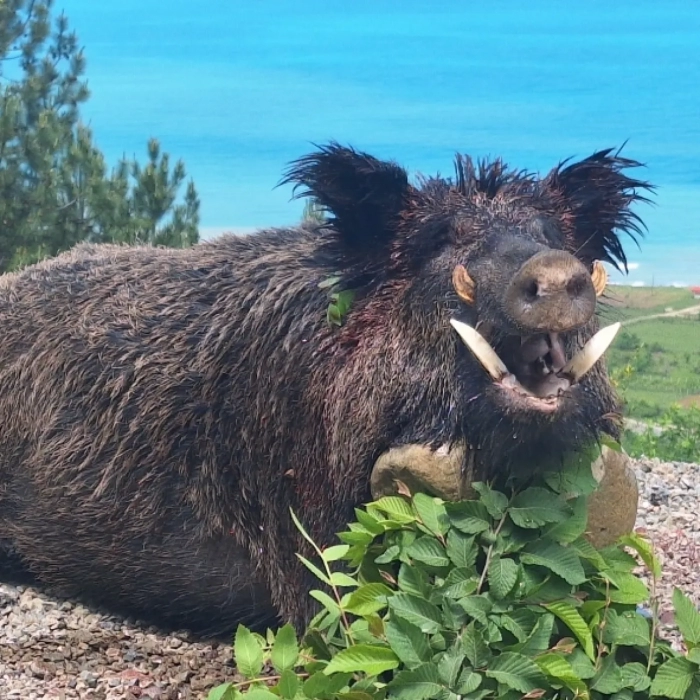
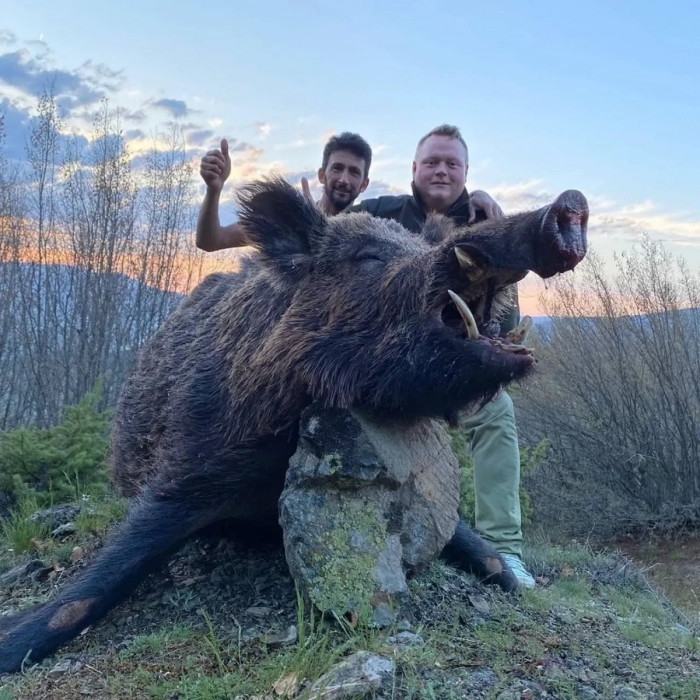
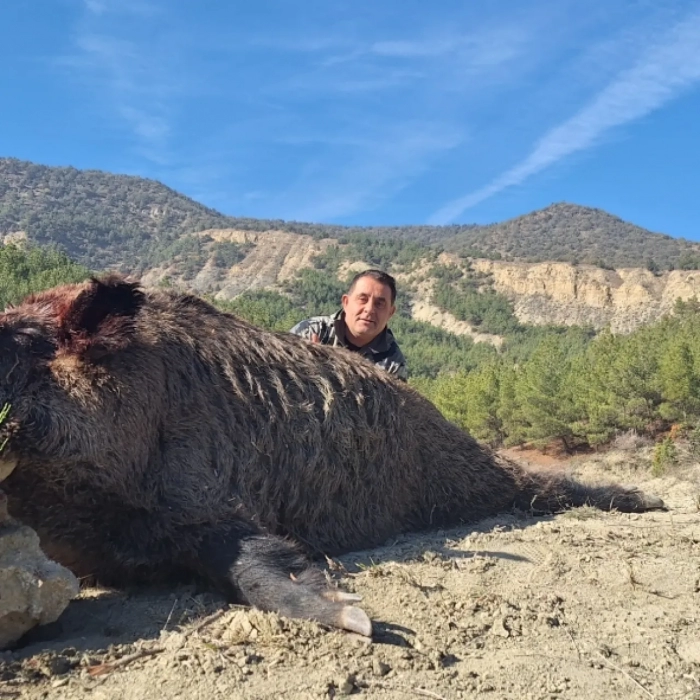
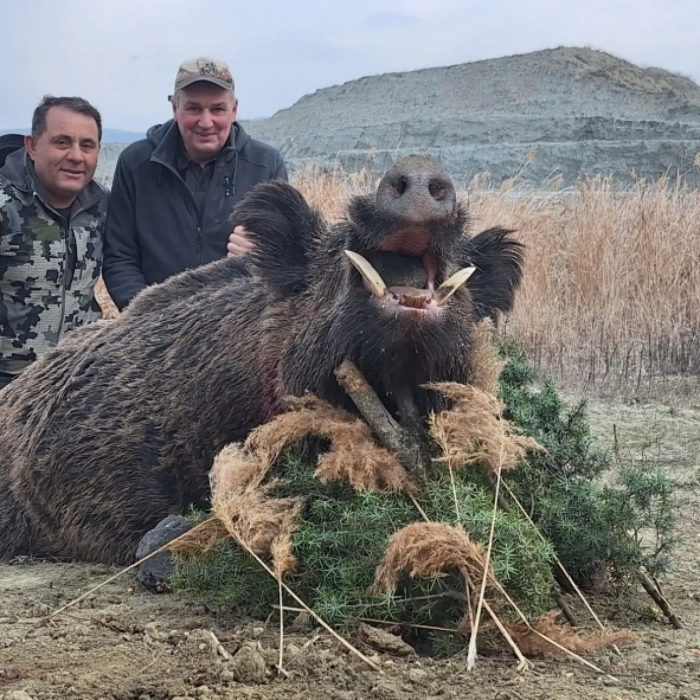
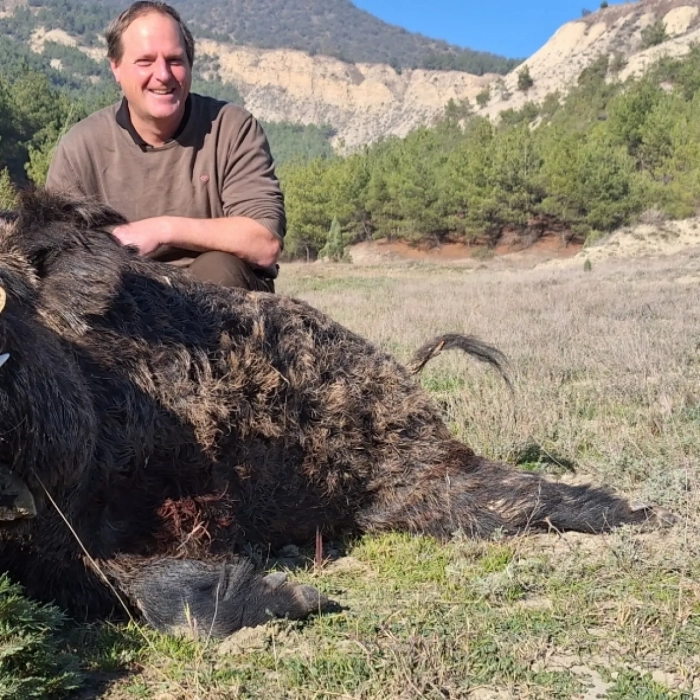
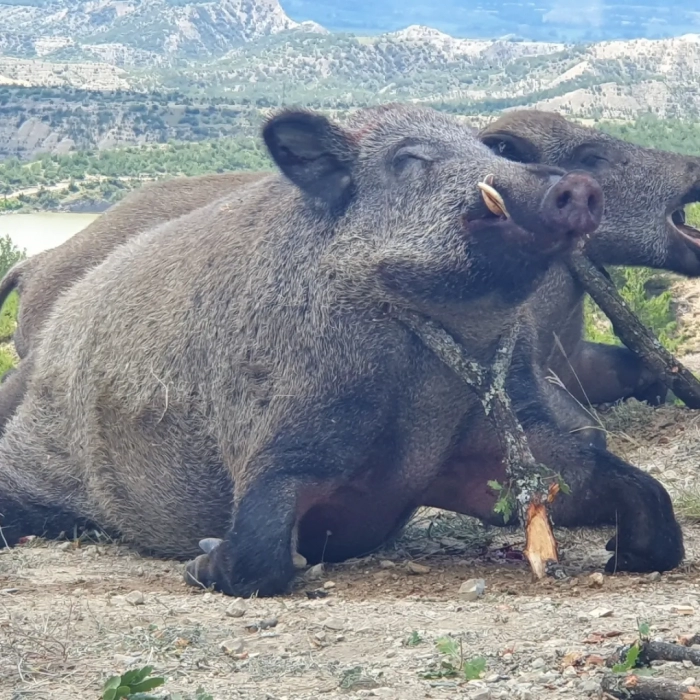
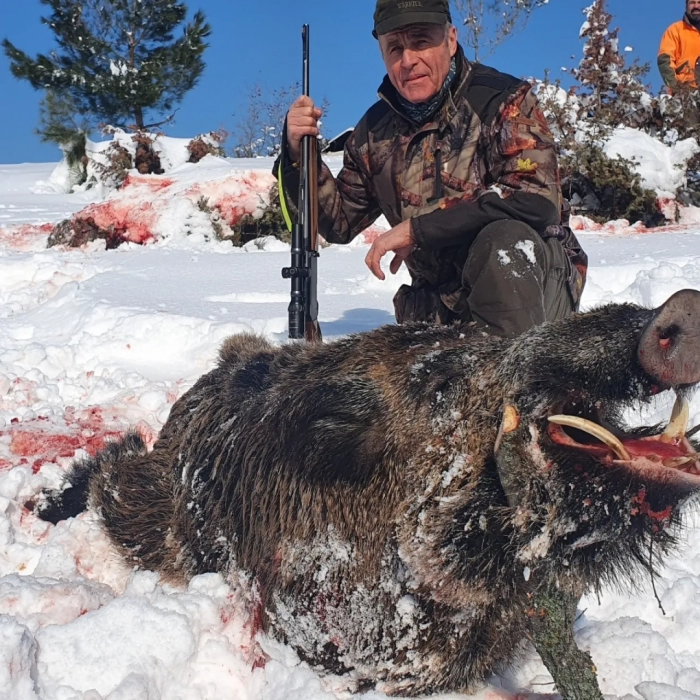
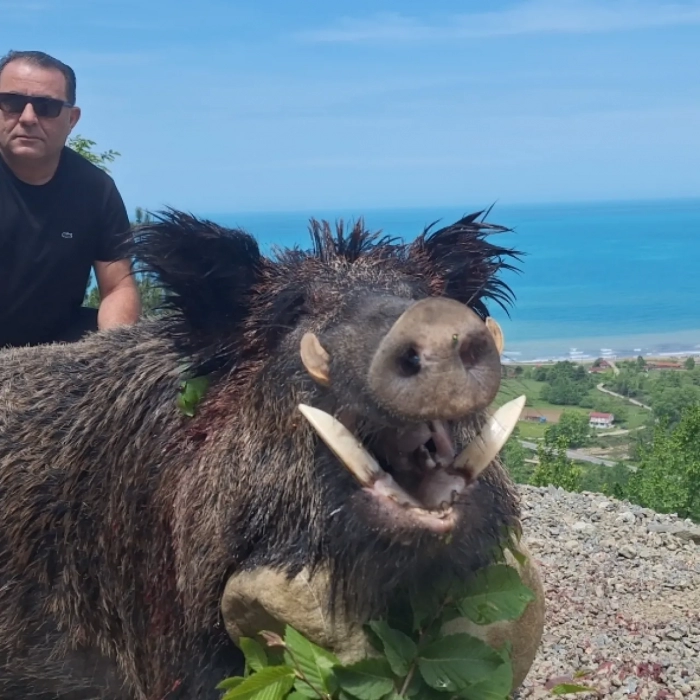
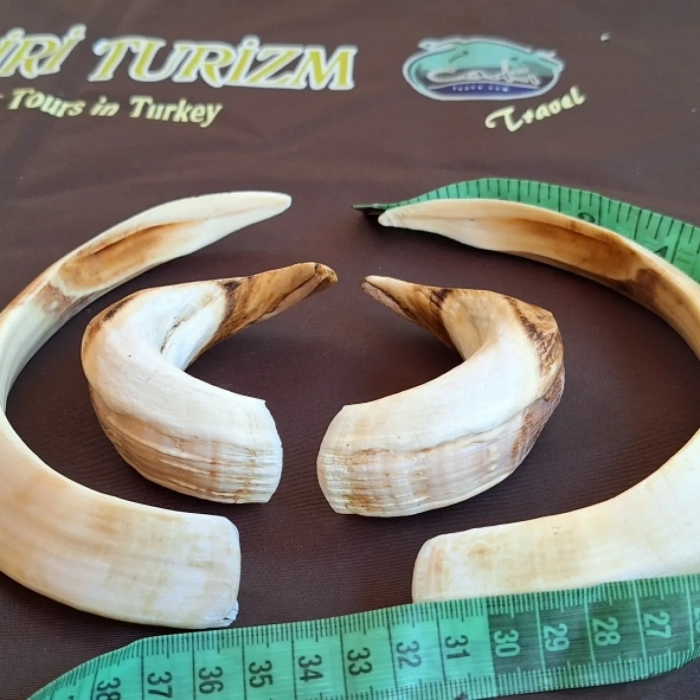
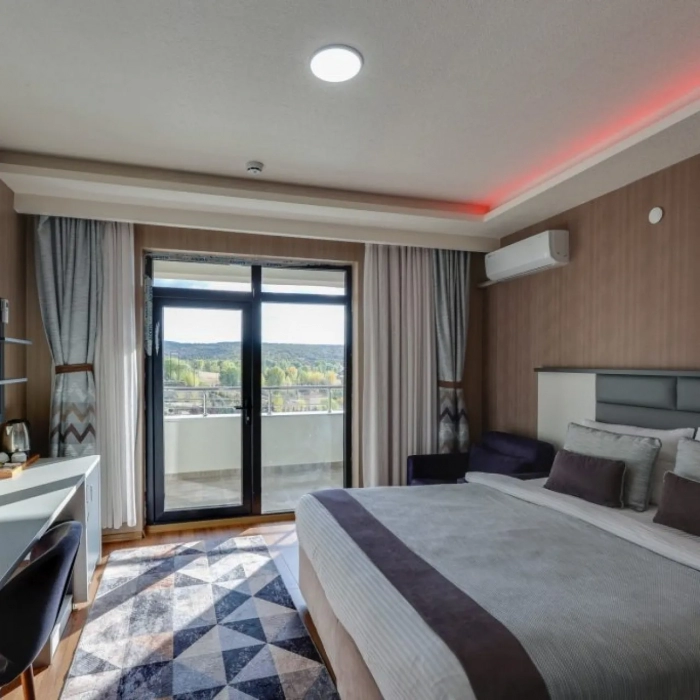
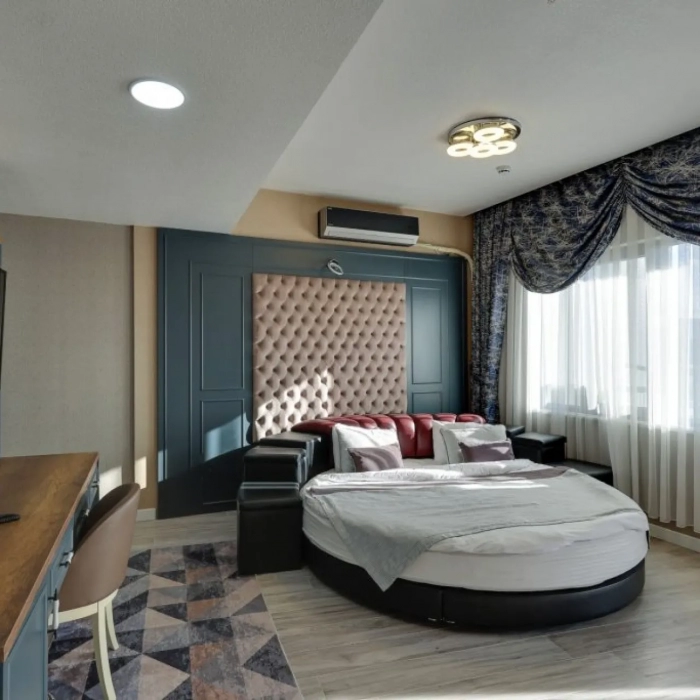

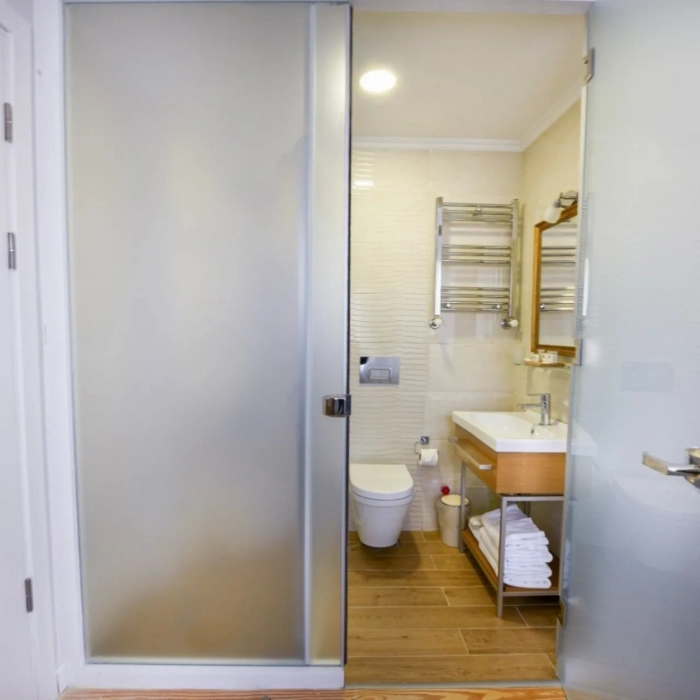


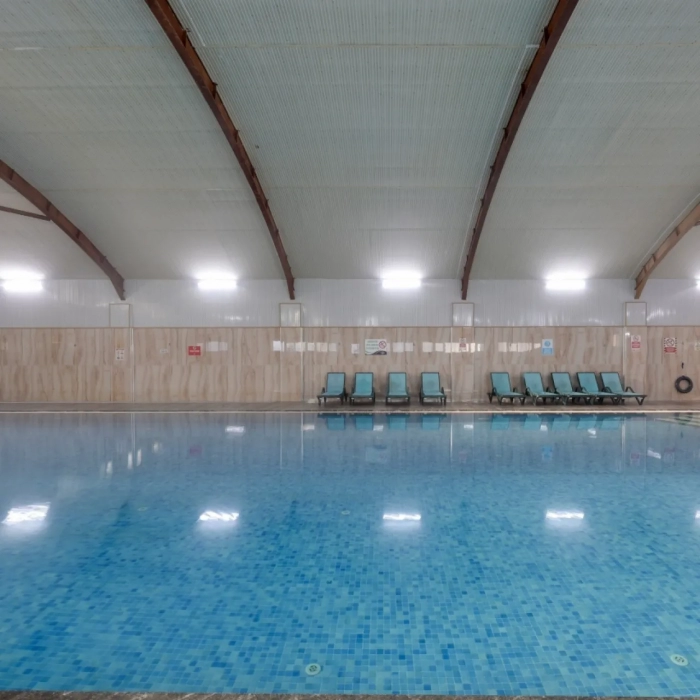
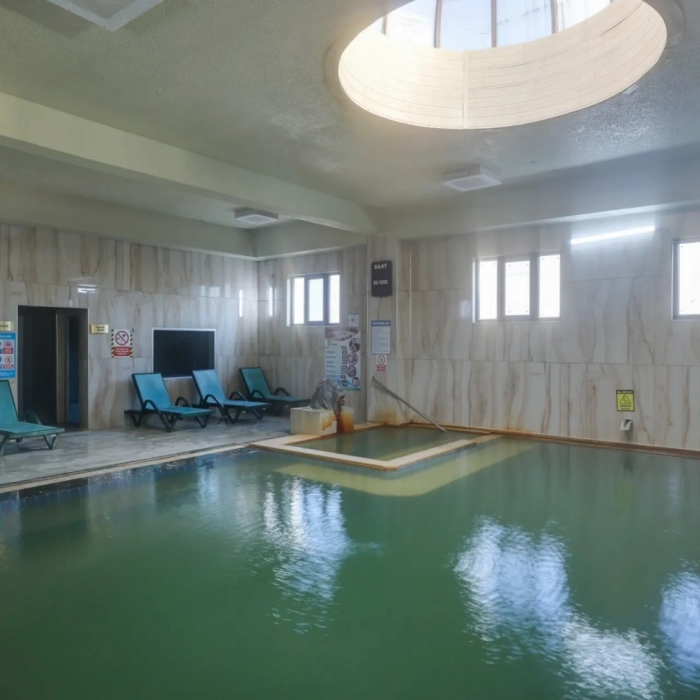
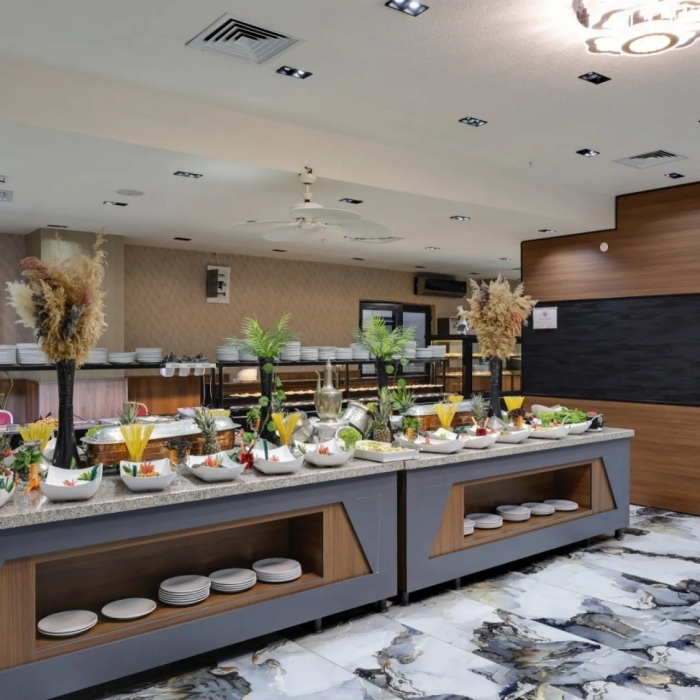
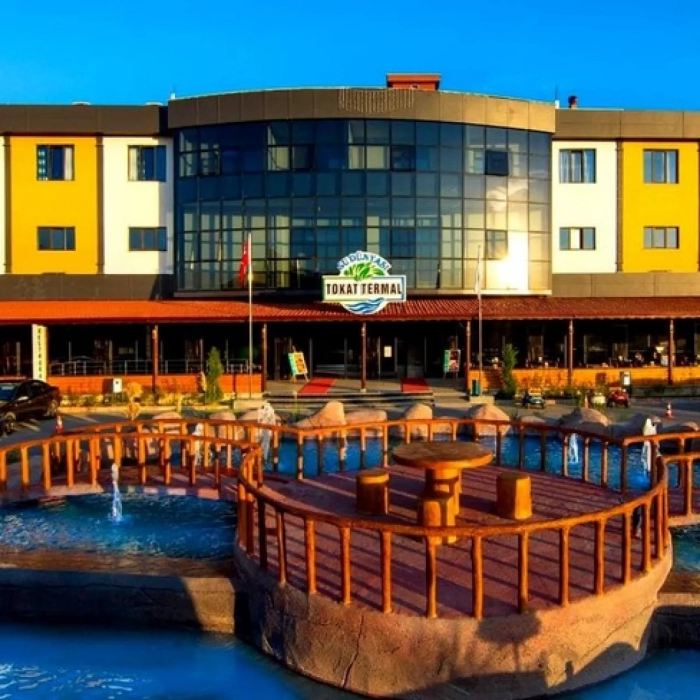
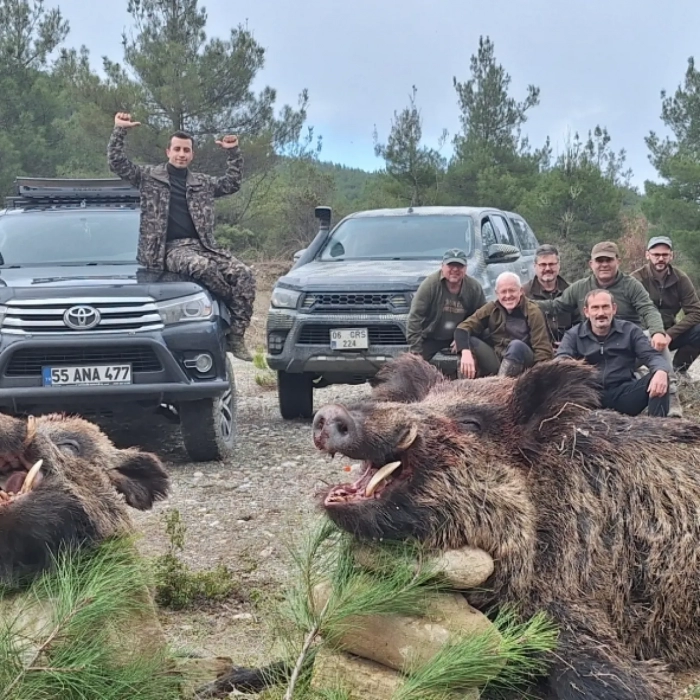
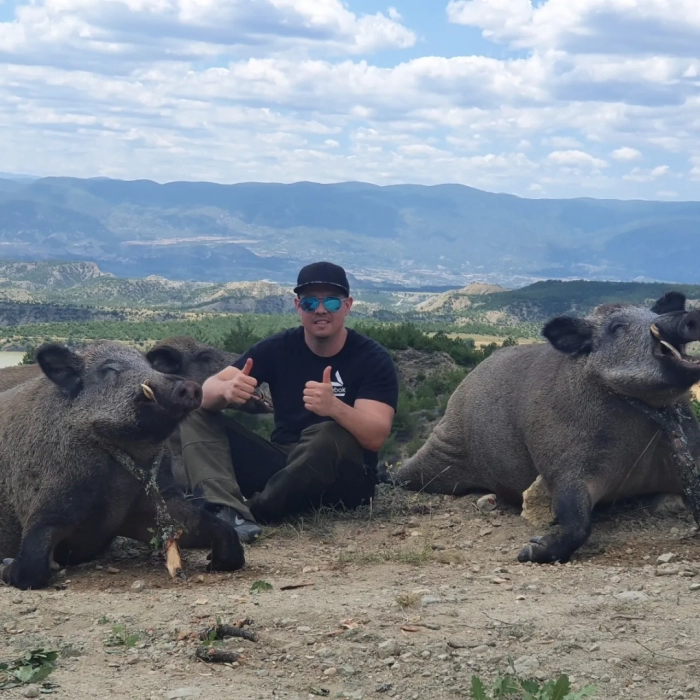
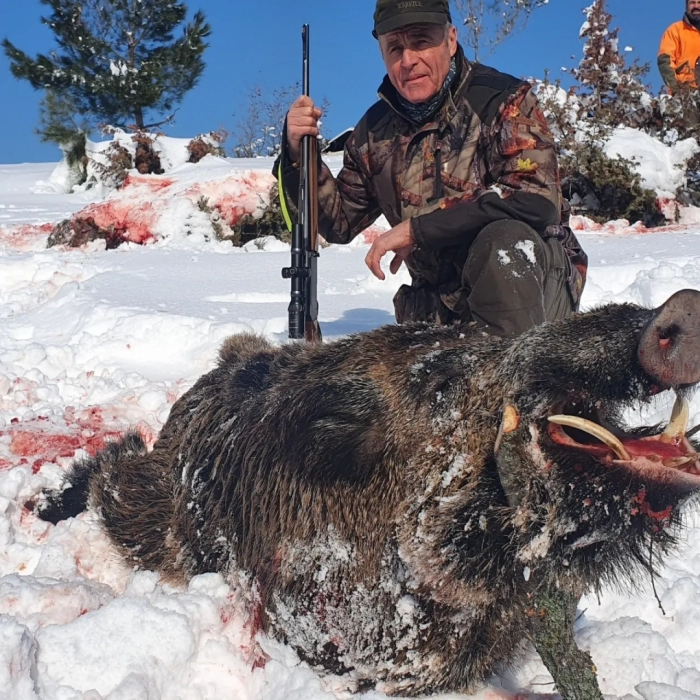
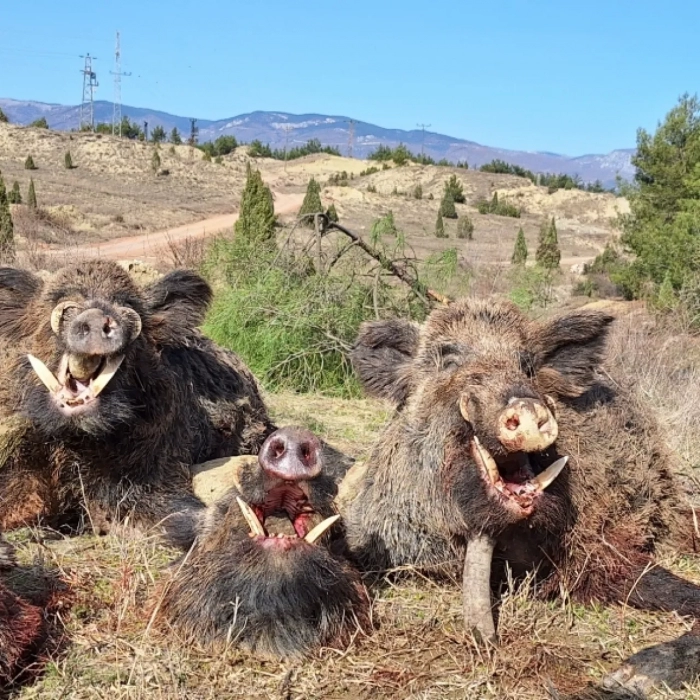
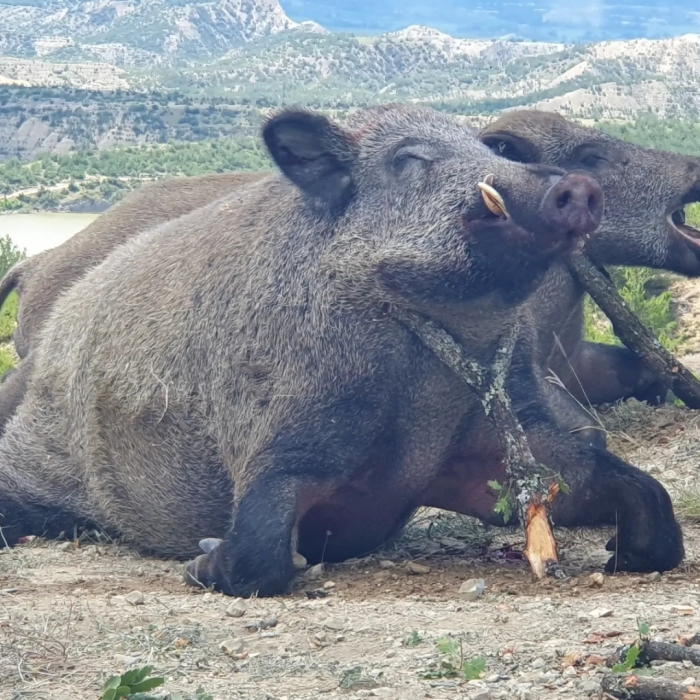
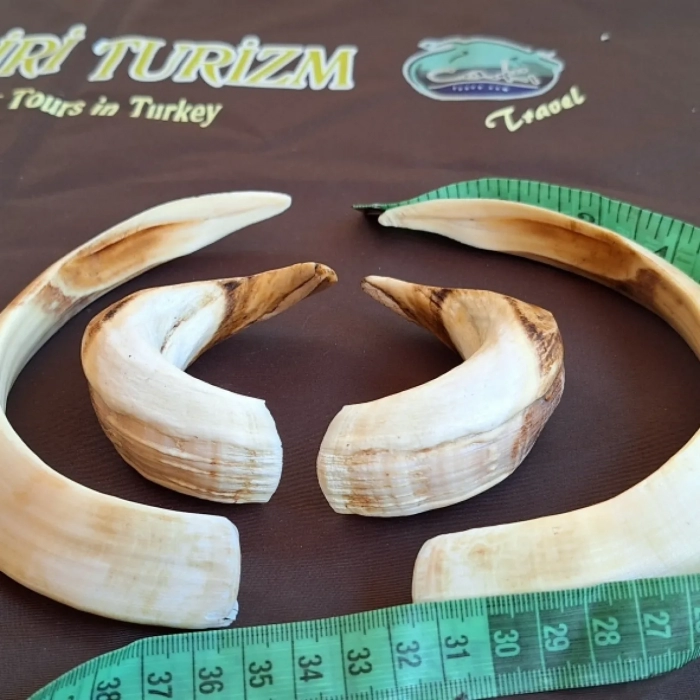
Giant Wild Boar Hunt From a High Seat in Turkey
€1,490
2026 / 2027
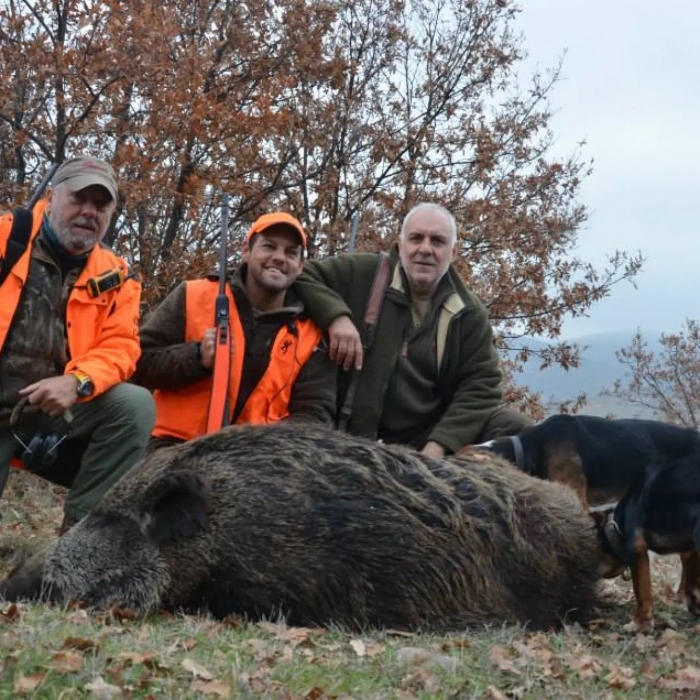
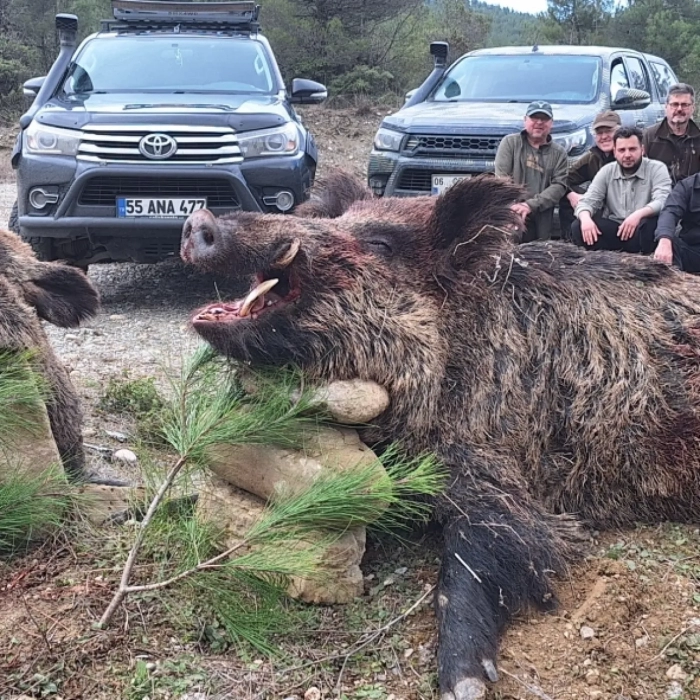
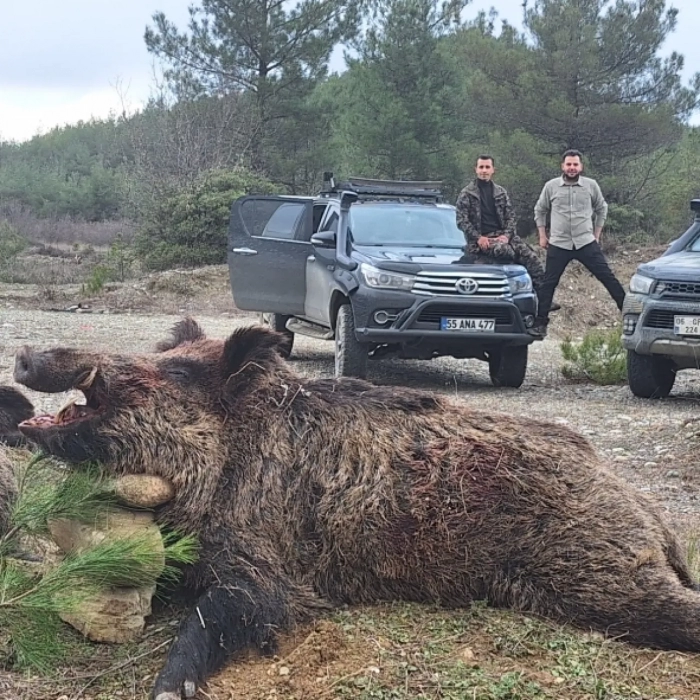
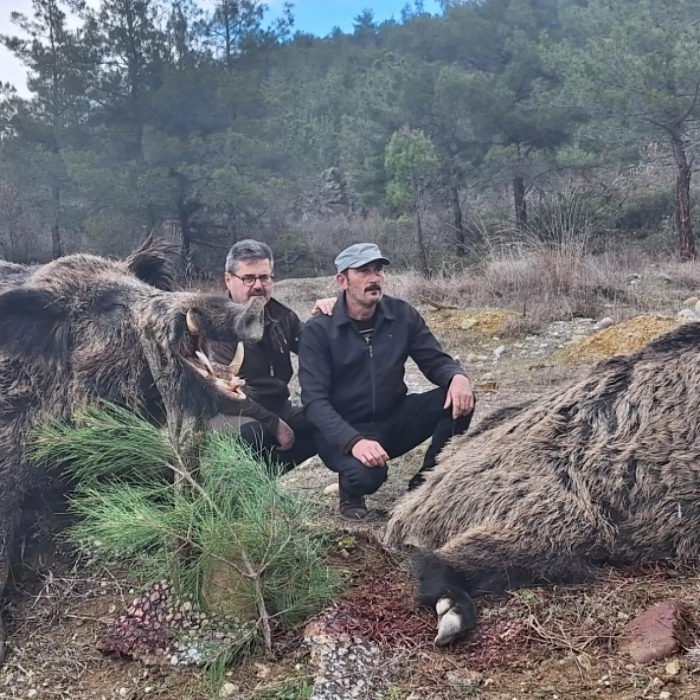
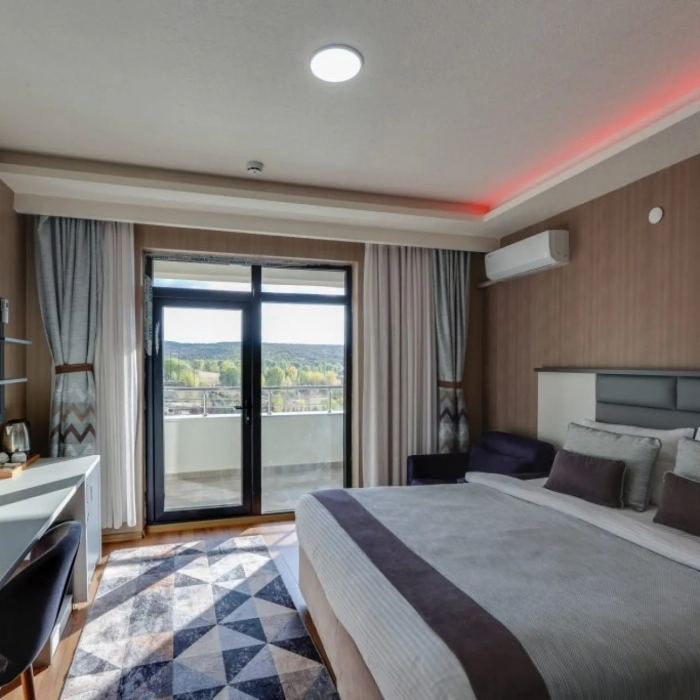
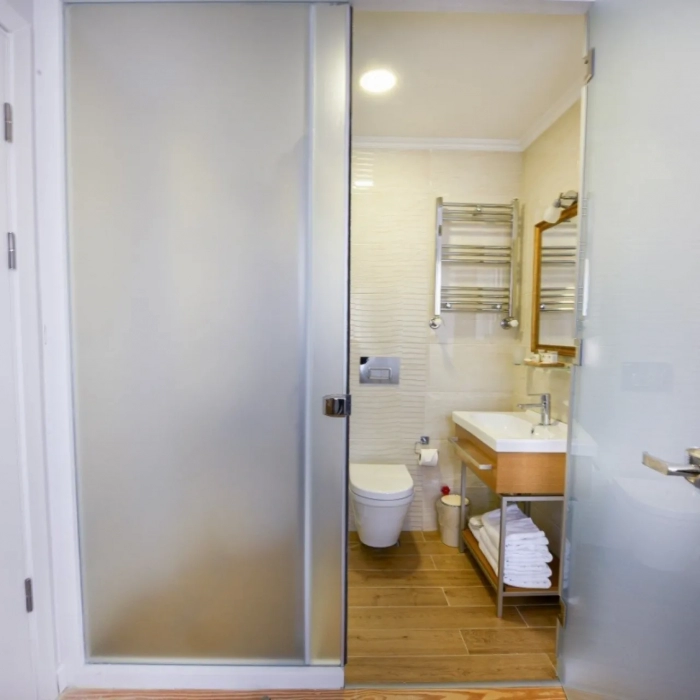
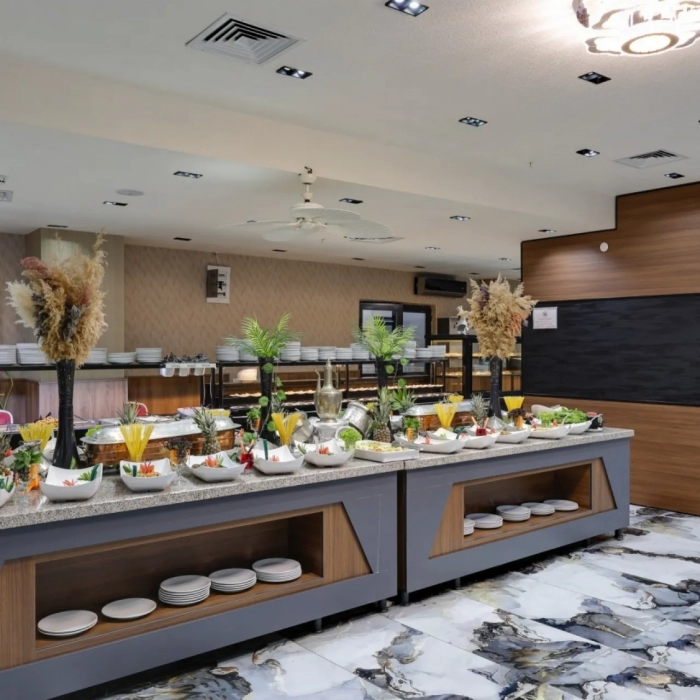
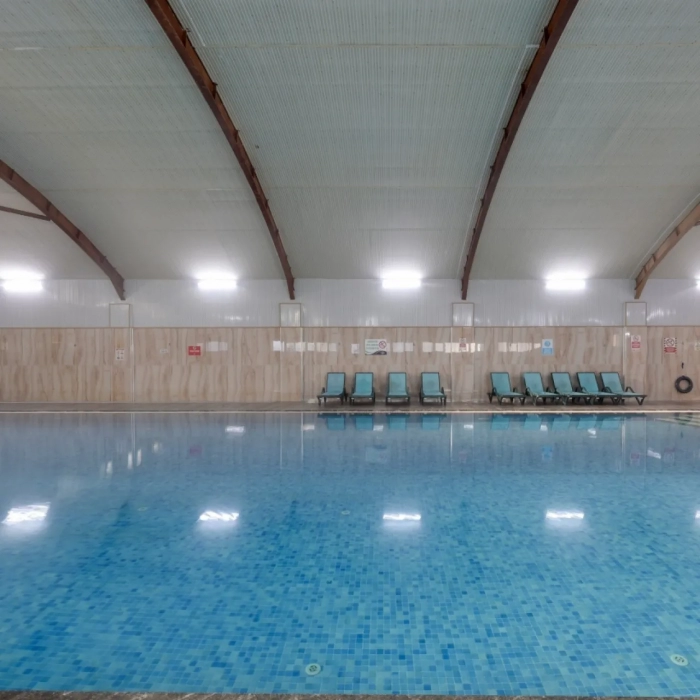
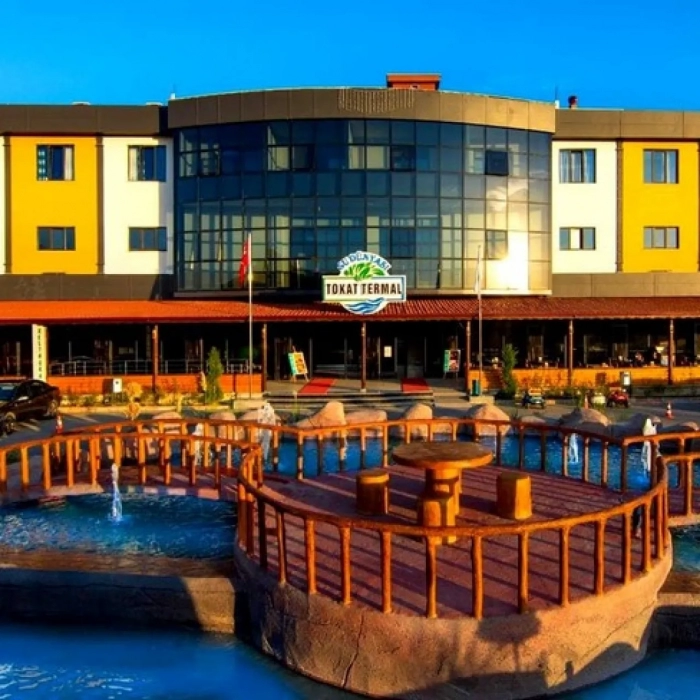
This wild boar hunt takes place in Turkey’s Black Sea region and is conducted using a combination of high-seat hunting and spot-and-stalk methods. Hunters stay in comfortable hotel or lodge accommodations, with meals included and strong opportunities at mature boars.
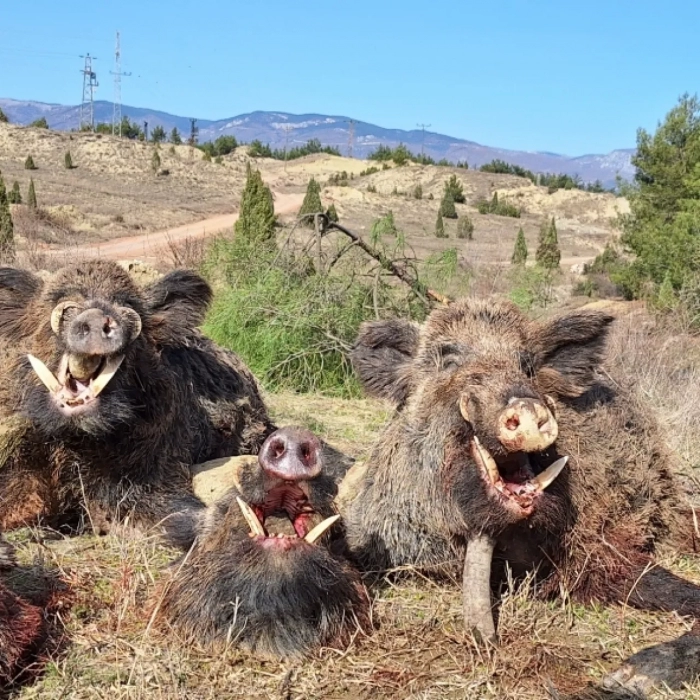
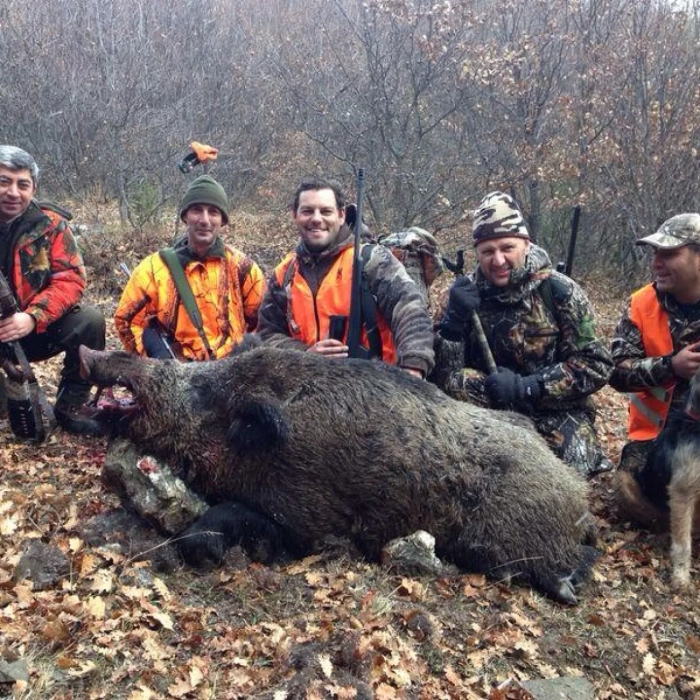
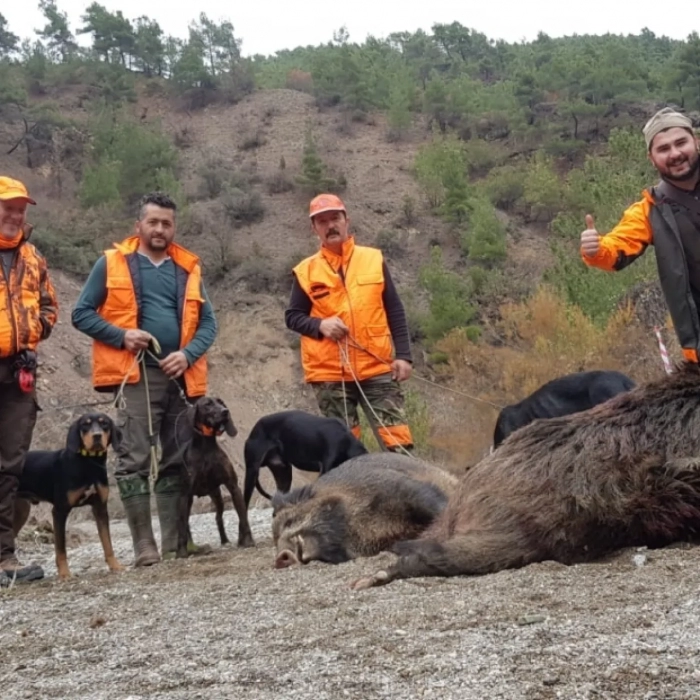
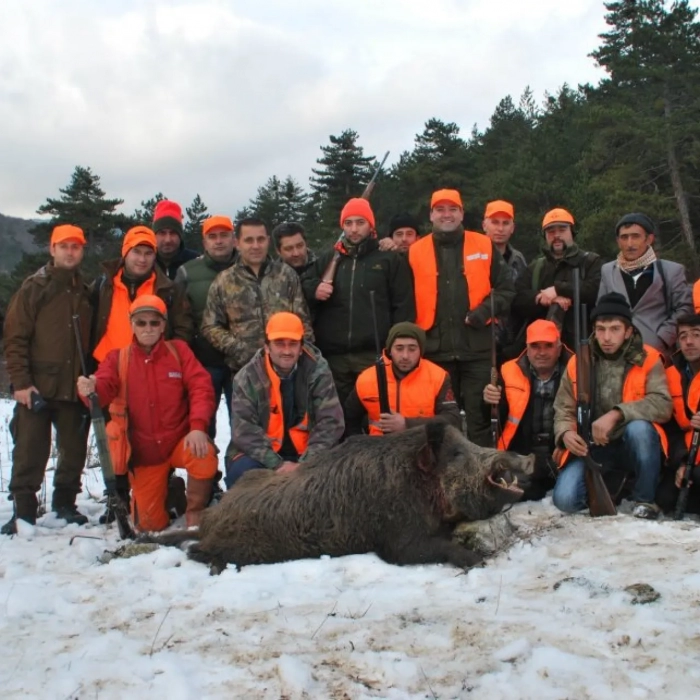

Driven Hunt for Giant Wild Boar in Turkey
€3,000
2026 / 2027
This wild boar driven hunt takes place in Turkey’s Black Sea region and is conducted as a traditional battue with multiple organized drives each day. Hunters are positioned along travel routes while beaters and dogs push boar through dense cover, creating fast-paced shooting opportunities. Accommodations are in comfortable hotels or lodges, with meals included and strong chances at multiple boars.
Hunting Wild Boar
Wild boar hunting today is a globally widespread pursuit shaped by population growth, modern technology, and the animal’s remarkable adaptability. While it still carries elements of tradition in many regions, the modern reality is that wild boar hunting is often less about heritage and more about necessity. In much of the world, boar populations have expanded far beyond historical levels, forcing hunters, landowners, and wildlife agencies to treat them as both a game species and a serious ecological problem.
Across continents, the same themes appear: increased nocturnal behavior, advanced hunting equipment, and more organized efforts to control numbers. But the style, intensity, and purpose of hunting vary significantly depending on the region.
Europe: highly organized, pressure-driven hunting
Europe remains one of the most structured and active wild boar hunting regions in the world. Countries such as Germany, France, Spain, and Poland all deal with dense boar populations that have surged in recent decades due to mild winters, abundant agriculture, and reduced natural predation.
In Germany, modern boar hunting is dominated by coordinated driven hunts and night stalking. Driven hunts involve groups of hunters positioned along forest corridors while beaters and trained dogs push boar out of dense cover. Communication systems, safety zones, and strict shooting lanes are standard. Outside of these organized events, night hunting with thermal optics has become increasingly important. In many areas, boars have become so pressured that daylight sightings are rare, pushing most activity into nighttime feeding in agricultural fields.
In France, modern hunting blends tradition with population control. Boars are now widespread enough that many rural regions organize frequent communal hunts to limit crop damage. Hunters often set up along forest edges, vineyard borders, and cornfields where boar emerge after dark. The use of high seats, suppressors (where legal), and thermal scopes has become common, reflecting how much hunting has shifted toward low-visibility conditions.
In Sain, terrain plays a major role in shaping modern hunting methods. Rugged mountains and thick scrub mean boar are often pursued either with dogs or through long-range glassing and ambush hunting. Spanish boar are known for being particularly tough and wary due to hunting pressure, and successful hunts often depend on patience and terrain knowledge as much as equipment.
Across Europe as a whole, one of the most significant modern shifts is the dominance of night hunting. Thermal imaging has changed everything—allowing hunters to locate, identify, and selectively harvest boar that are nearly impossible to see with traditional optics.
United States: year-round control hunting
In the United States, wild boar—usually referred to as feral hogs—are treated less like a game animal and more like an invasive species requiring constant pressure. Their population is concentrated heavily in the South, especially Texas, Florida, Georgia, and surrounding states.
Modern hog hunting in Texas is among the most technologically advanced in the world. Hunters regularly use thermal scopes, night vision optics, suppressors, and high-capacity rifles. Night hunting is especially effective because hogs are almost entirely nocturnal in pressured areas. Baiting with corn feeders is common, creating predictable movement patterns that hunters exploit.
Aerial hunting has also become a defining modern method in Texas. Helicopters are used to locate and remove entire groups of hogs across large ranches and open land. While controversial in some circles, it is widely accepted locally as a practical response to massive population growth and agricultural damage.
In Florida, hog hunting is shaped by dense terrain. Swamps, palmetto thickets, and hardwood hammocks make visibility extremely limited. Hunters often rely on tracking dogs to locate and bay hogs in thick cover. Night hunting with thermal optics is also increasingly common, especially on private land where hog damage to crops and natural habitats is significant.
Across the U.S., the key feature of modern hog hunting is flexibility. There is typically no closed season, no bag limits in many areas, and a wide range of legal hunting methods. The goal is not just sport, but continuous population suppression.
Australia: invasive species control at scale
In Australia, feral pigs are an invasive species with a major environmental impact. They are found in wetlands, bushland, and remote grazing country, particularly in Queensland and the Northern Territory.
Modern hunting here often combines recreational hunting with government-supported control programs. One of the most effective modern methods is aerial shooting from helicopters, where operators cover vast, remote areas and remove pigs quickly and efficiently. This is especially important in floodplain regions where ground access is limited.
On the ground, hunters rely heavily on thermal optics, night vision, and high-powered rifles. Trapping is also widely used, particularly near farmland and water sources. Because pigs in Australia often range over huge, remote areas, modern hunting is as much about logistics and coverage as it is about marksmanship.
Asia: modern pressure on traditional landscapes
In parts of Asia, wild boar populations exist in close proximity to farmland and forested regions, often leading to human-wildlife conflict.
In countries like Thailand and parts of Southeast Asia, modern hunting still frequently involves dogs and basic tracking methods, but night optics are becoming more common among licensed hunters. Boars often raid rice fields and plantations, especially at night, which drives targeted hunting activity.
In some regions, hunting is heavily restricted, so modern control is limited and often replaced by government-sanctioned culling or non-lethal deterrence. Where hunting is permitted, it tends to be small-scale but increasingly influenced by modern optics and firearms.
Modern behavior and hunting challenges
One of the most important aspects of current wild boar hunting is how the animal itself has adapted. In heavily hunted regions, boar are now predominantly nocturnal. They avoid open areas during daylight and move quickly through pressure zones. Sounders often change travel routes frequently, especially when they detect hunting activity.
Boar intelligence is another major factor. They learn to avoid feeders, recognize human scent patterns, and alter feeding behavior based on pressure. In some regions, older boars act as “sentinels,” becoming extremely difficult to approach and influencing the behavior of entire groups.
Their physical resilience also remains a constant challenge. Thick muscle, dense bone structure, and aggressive defense behavior make them a dangerous quarry, particularly when wounded or cornered.
Continents
Testimonials
Forgot to tell you thanks for the awesome New Zealand hunt! Definitely one of my favorite international hunting trips I’ve been on. Top notch! Thanks again John!
Jarod Scroggins
New Zealand
October, 2024